
Introduction — a small shop story, then hard numbers
Last month I stood beside a humming laser cutter while a fresh batch of nameplates burned—smoke curled up like rooftop fog, and I remember thinking, “This will sting my throat soon, ah!” In that moment I reached for our laser cutter fume extractor and watched it pull the haze away; still, data from recent workshops show workshops often exceed safe PM2.5 levels by 3–5 times during cutting sessions. So, how do we keep the air clean without slowing production—or burning cash on the wrong gear?
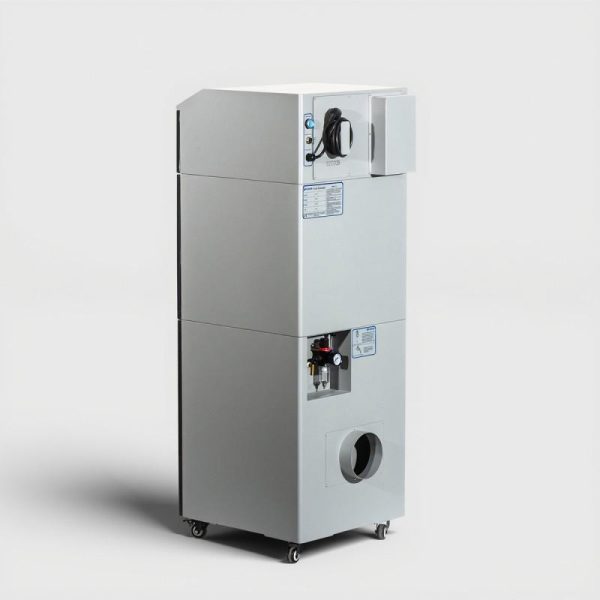
I’m sharing this because I’ve seen the small mistakes that add up (sawa, true story). A typical hobbyist setup may ignore airflow rate and use a cheap fan; industrial shops sometimes skip proper activated carbon or HEPA filters and then wonder why odors and ultrafine particles persist. Those choices cost health and time. I’ll walk you through what I learned—practical, not preachy—and point out where most people trip up. Let’s move into the nitty-gritty next, yes? — small steps first.
Where common solutions fail: hidden pain points and flawed fixes
I want to be blunt: the headline fixes sold as “complete” often miss real use. For many readers, the core issue is not the absence of a unit but mismatch—wrong fan curve, inadequate HEPA filters, or poor duct routing. If you’re shopping, check this: a proper laser cutting fume extractor must match your cutter’s plume volume and material type. I’ve measured systems where the electrostatic precipitator or filters were undersized by 30–50%. You still get smoke—just less of it. Look, it’s simpler than you think: fit matters.
Why do filters fail early?
Filters clog when the wrong filter media meets the wrong fumes. Metals like stainless steel produce tiny particulates that a coarse pre-filter won’t catch. Then the HEPA works overtime and pressure drops. Result: reduced suction, higher particulate rebound. Add poor maintenance schedules and you’ve a recipe for faster wear on power converters and fans. I’ve seen techs replace expensive components—when a simple pre-filter swap and better ductwork layout would have done the trick. Short sentence: plan maintenance. Long sentence: plan it with reasoned intervals, tracking hours and measured airflow drop.
New technology principles and what to expect next
Now let’s look forward. Newer designs blend sensor feedback, smarter fan control, and modular filtration so systems react—rather than just run—during cuts. We’re talking variable-speed blowers, pressure sensors, and targeted activated carbon canisters for specific fumes. The modern laser cutting fume extractor can log runtime, report filter life, and adjust airflow to balance capture efficiency with energy use. I like this direction; it saves money and keeps operators healthier. — funny how that works, right?
In practice, upgrade paths matter. Instead of swapping the whole unit, choose systems with replaceable modules—pre-filter, HEPA, carbon—so you pay only for the worn part. Add simple sensors to your bench: airstream velocity meters, PM2.5 monitors, and even a basic VOC sensor. These help you see problems early. I prefer a pragmatic rollout: test one bay, gather a week of data, then scale. This reduces surprises and keeps staff confident. What’s next? We look for balanced solutions that measure and adapt.
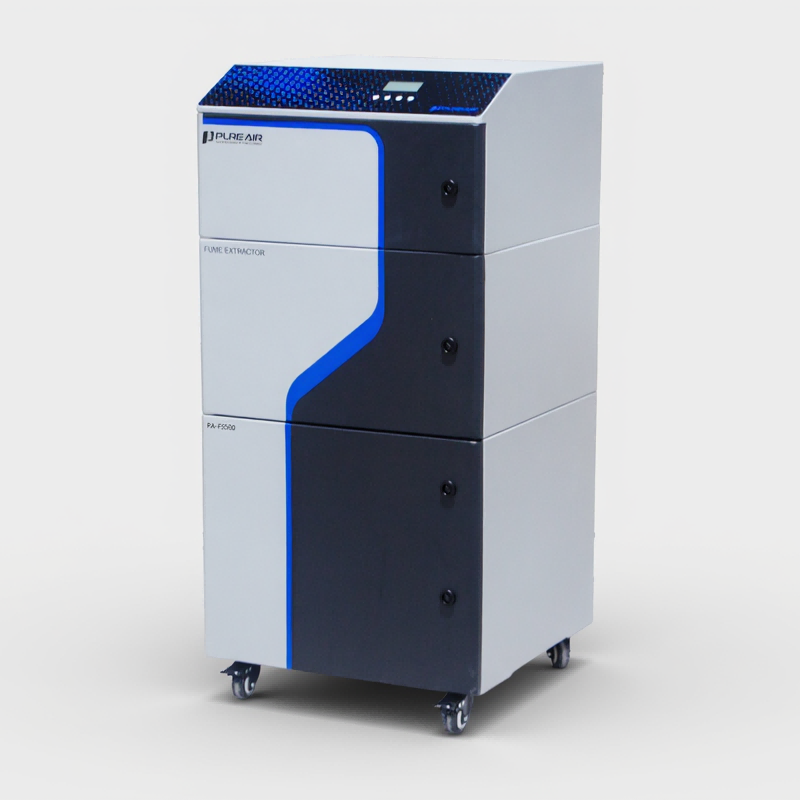
What’s Next — three quick metrics to guide buying
When you evaluate options, use these three metrics: capture velocity at nozzle, total airflow (CFM), and filter efficiency over time. Those numbers tell a clearer story than marketing blurbs. If a machine boasts high CFM but low capture velocity, you’ll still lose plume. If filters drop efficiency quickly, lifecycle cost jumps. I’ve chosen systems based on these measures more than brand alone—results speak. For good options and support, consider vendors who back their specs with real test data and accessible parts. In my view, that’s practical buying.
To close, I’ll keep it short and human: I care about clean shops. I’ve seen eyes water, heard coughs, watched puzzled faces when a “fix” failed. Use the tips above, test with sensors, and choose modular designs so you update filters not whole machines. Measure, don’t guess. If you want a reliable partner, check reputable suppliers who publish performance numbers—then decide. For further resources and product info, you can look at PURE-AIR. Asante—thanks for reading; stay curious and breathe easy.